top of page

RESTORE YOUR SMILE · PROTECT YOUR TEETH

Dental Fillings

Cavities and tooth decay don't have to mean losing your natural tooth. Dental fillings are a simple and effective way to restore damaged teeth, protect against further decay, and bring back your healthy smile.

​

What are dental fillings?

Dental fillings are a common restorative dental treatment used to repair teeth that have been damaged by tooth decay, cavities, or minor fractures. When bacteria and plaque build up on your teeth, they produce acids that gradually wear away the protective enamel, eventually creating small holes known as cavities.

​

A dental filling restores the damaged area by replacing the portion of the tooth that has been affected by decay. Dr. McReynolds carefully removes the damaged tooth structure, cleans the area, and fills it with a specialized dental material to restore the tooth's natural shape, strength, and function.
​

​

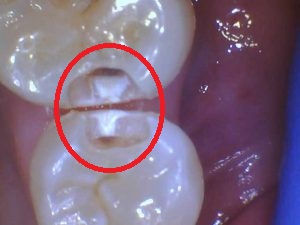
Close-up of cavities needing dental fillings on molars.
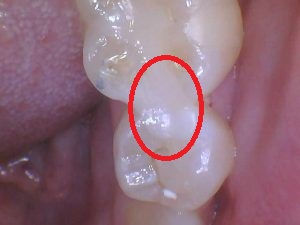
Composite dental fillings in a premolar tooth
Why are fillings important?
  • Stop Tooth Decay: Remove damaged areas and restore the affected tooth.

  • Prevent Further Damage: Seal the treated area to help protect against additional decay.

  • Restore Tooth Function: Make it easier to chew and bite comfortably.

  • Protect Your Natural Smile: Preserve your existing tooth rather than requiring extraction.

  • Improve Appearance: Tooth-colored fillings can blend naturally with surrounding teeth.

CARE CENTERED AROUND THE PERSON

What to Expect During Your Dental Filling Appointment

1. Examination and Diagnosis

Your appointment begins with a thorough examination of the affected tooth. Your dentist will look for signs of decay, damage, or other concerns that may need attention. Dental X-rays may also be taken to determine how deep the cavity extends and whether the surrounding tooth structure is affected.

​

2. Preparing the Tooth

Before beginning the procedure, the area around the affected tooth is prepared for treatment. Depending on the size and location of the cavity, your dentist may use a local anesthetic to numb the area and help ensure your comfort.

Once the area is numb, your dentist will carefully remove the decayed portion of the tooth while preserving as much healthy tooth structure as possible.
 

3. Cleaning and Preparing the Area

After the decay has been removed, the tooth is thoroughly cleaned to remove any remaining debris or bacteria. The area is then prepared so the filling material can properly bond to the tooth.

For tooth-colored composite fillings, a special bonding agent is typically applied to help the filling securely attach to the natural tooth.
 

4. Placing the Dental Filling

Once the tooth is primed, your dentist carefully places the selected filling material into the affected area.

For composite fillings, the material is applied in layers and hardened using a special curing light. Your dentist then shapes the filling to match the natural contours of your tooth, helping restore its appearance, strength, and function.
 

5. Shaping and Adjusting Your Bite

After the filling is placed, your dentist will make any necessary adjustments to ensure your bite feels natural and comfortable.

You may be asked to bite down gently so your dentist can check how your teeth come together. The filling is then polished to create a smooth finish that blends with your natural tooth.
 

6. Aftercare and Recovery

Once your filling is complete, your dentist will provide instructions on how to care for your restored tooth.

It's normal to experience some temporary sensitivity to hot, cold, or pressure after receiving a filling. This usually improves over time. If you received local anesthetic, you should wait until the numbness wears off before eating to avoid accidentally biting your cheek, tongue, or lips.

​

Common Questions

How Long Does the Procedure Take?

Most dental filling appointments take approximately 30–60 minutes, although the length of your visit depends on the size, location, and number of cavities being treated.

Many patients are able to return to their normal daily activities shortly after their appointment.
 

Is Getting a Dental Filling Painful?

Dental fillings are generally a comfortable and straightforward procedure. Local anesthetic can be used to numb the affected area, helping minimize discomfort while your dentist works.

You may feel some pressure or vibration during treatment, but you should not experience significant pain. If you feel uncomfortable at any point, let your dental team know so they can help.
 

Ready to Restore Your Smile?

Taking care of cavities early can help prevent more extensive dental problems in the future. Our team is here to make your treatment as comfortable as possible while helping you maintain a healthy, confident smile.

bottom of page